
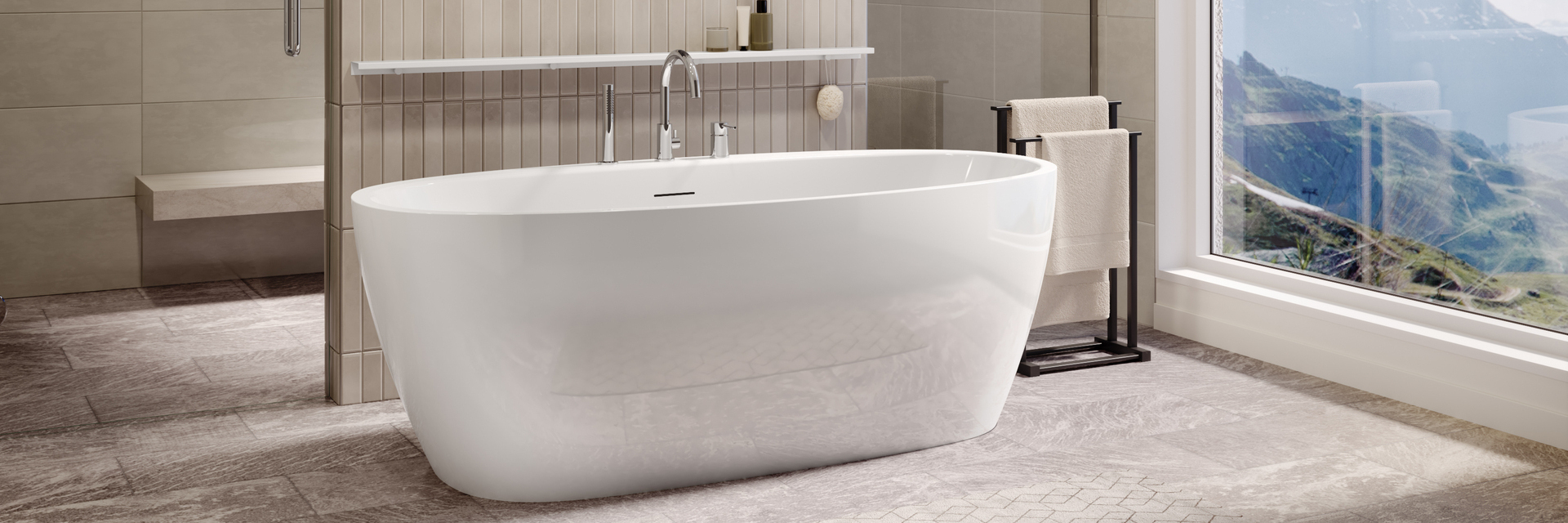
Planning Your Bathroom Renovation
Planning Your Bathroom Renovation
Whether you are updating a tired powder room or transforming a main bathroom into a spa-like retreat, a bathroom renovation is one of the most rewarding projects a homeowner can take on. According to the Appraisal Institute of Canada, a bathroom renovation yields a 70–78% return on investment — making it one of the smartest upgrades you can make to your home. With the right planning, Copp's can help make your vision a reality.
1. Define How You Use The Space: Before anything else, think about who uses this bathroom and how. Is it a shared family bathroom that needs maximum storage and durability? A main ensuite where comfort and style take priority? Or a small powder room that simply needs a refresh? The answers to these questions will shape every decision that follows, from the fixtures you choose to the layout you work with. It is worth spending time here, because changing your mind mid-renovation can be costly.
2. Assess Your Layout: Moving plumbing is one of the most expensive things you can do in a bathroom renovation and may also add considerably to the time needed for the renovation, since such changes may involve removing and replacing drywall, or even changes to framing. If your existing toilet, vanity, and shower or tub are positioned in a way that works for you, keeping them in place will save significant time and money. If you are working with a layout that feels cramped or inefficient, a plumber can advise on what is realistic within your budget. In either case, take precise measurements of the space before you begin shopping for any fixtures or materials.
3. Set Your Budget: With a sense of your scope, it is time to put numbers to the project. A rough rule of thumb is that fixtures and fittings (toilet, vanity, tub or shower, faucets) will account for roughly 40–50% of your total cost. Tile, flooring and wall materials will run around 20%, and the remainder will go toward labour, permits, and the unexpected. Speaking of the unexpected — always build in a contingency of 10–15% for a bathroom project. Hidden moisture damage behind walls or under floors is not uncommon and needs to be addressed before anything else goes in.
4. Permits and Professional Trades: Most bathroom renovations that involve moving or adding plumbing or electrical work will require a permit from the local authorities. In London, Ontario, this includes adding pot lights, relocating a toilet drain, or roughing in for a new shower. While it may feel like extra effort, permitted work protects you when it comes time to sell. A licensed plumber and electrician are strongly recommended for their respective scopes — not only for code compliance, but for your peace of mind.
5. Choose Your Fixtures: This is where the fun begins. Your main fixture decisions will be the vanity and sink, toilet, and bathtub or shower. Keep these tips in mind:
• Vanity: Wall-mounted vanities make a small bathroom feel larger and make cleaning the floor easier. Freestanding vanities offer more storage. Consider soft-close drawers and doors for noise reduction and a longer lifespan.
• Toilet: Today's toilets are far more water-efficient than those from even ten years ago. A dual-flush model is a smart choice for any household.
• Tub vs. shower: If space allows and your household uses a tub regularly, keeping one is recommended for resale value. If a tub goes unused, converting to a large walk-in shower can dramatically improve the feel of the space.
6. Tile and Flooring: Tile is the most popular choice for bathroom floors and walls, and for good reason — it is water-resistant, durable, and available in a huge range of styles and price points. Larger format tiles (12"x24" or bigger) can make a small bathroom feel more open. For shower enclosures and wet walls, proper waterproofing behind the tile is non-negotiable. If you are tiling a floor, look for tiles with a slip-resistance rating suitable for wet areas. Luxury vinyl plank (LVP) is another excellent option for bathroom floors — it is 100% waterproof, comfortable underfoot, and easy to install.
7. Storage and Lighting: These two elements are often under-planned and then regretted. Think through your storage needs early so they can be built into the design: medicine cabinets, in-wall niches in the shower, a linen closet, or under-vanity cabinetry. For lighting, a bathroom ideally has both task lighting (bright, shadow-free light at the mirror for grooming) and ambient lighting. LED pot lights are energy-efficient and work well in combination with a vanity light bar. Always use fixtures rated for damp or wet locations in a bathroom environment.
8. Ventilation: A properly sized exhaust fan is essential in any bathroom renovation. Inadequate ventilation is the number one cause of mould growth and paint failure in bathrooms. When replacing or upgrading your fan, choose one rated in CFM (cubic feet per minute) appropriate for the size of your room — a common guideline is 1 CFM per square foot of floor space. Quieter models with built-in humidity sensors may be worth the upgrade.
9. Final Finishes: Paint, hardware, mirrors, and accessories are the last layer, but they tie everything together. Use a moisture-resistant paint with at least an eggshell or satin finish — flat paint will not hold up in a humid environment. Coordinate your hardware finishes (faucet, towel bars, toilet paper holder) for a polished, cohesive look. These small details make a big visual difference.
10. Get a Quote: Once you have a clear picture of the materials you need, a Copp's salesperson would be happy to quote the project for you and provide expert advice on products. With four locations across London, we carry a wide range of tile, flooring, plumbing supplies, electrical, drywall, and everything else your bathroom renovation requires. Stop in and let us help you get started.